Thursday, April 9, 2015

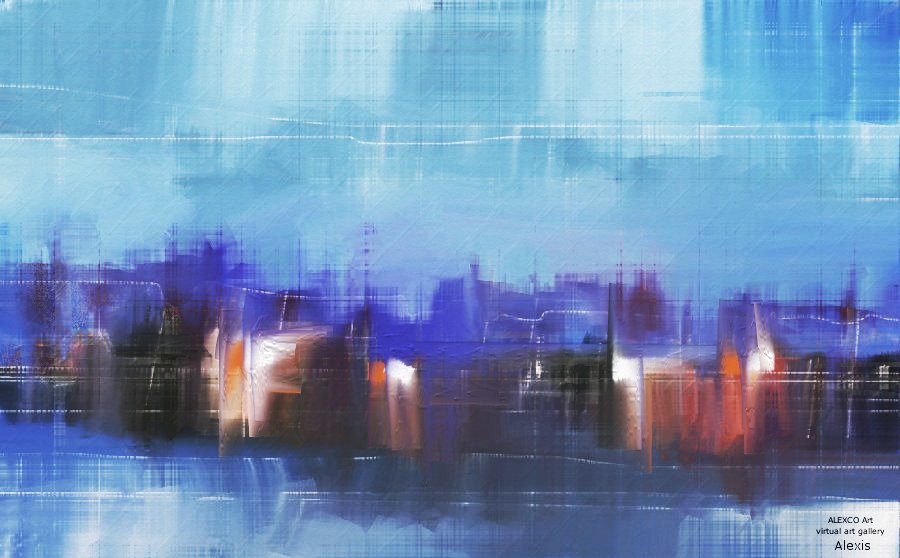
Alexis Digart: Digital Painter

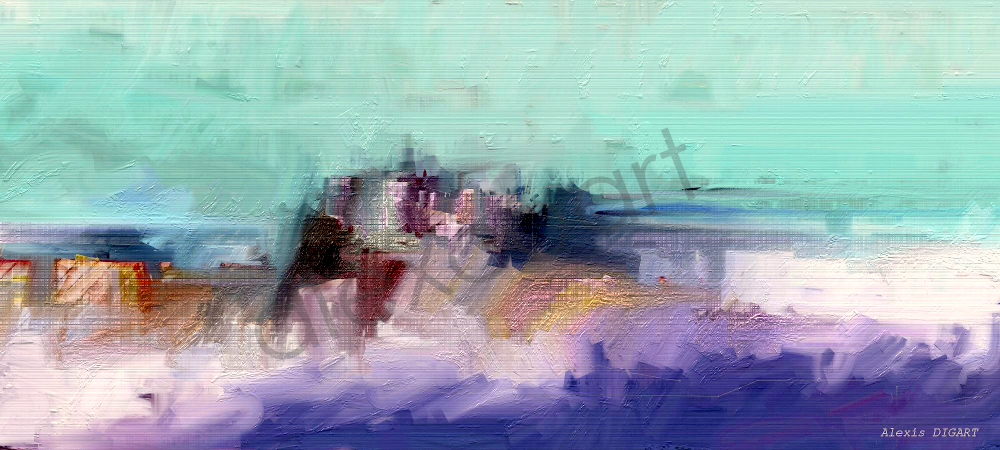
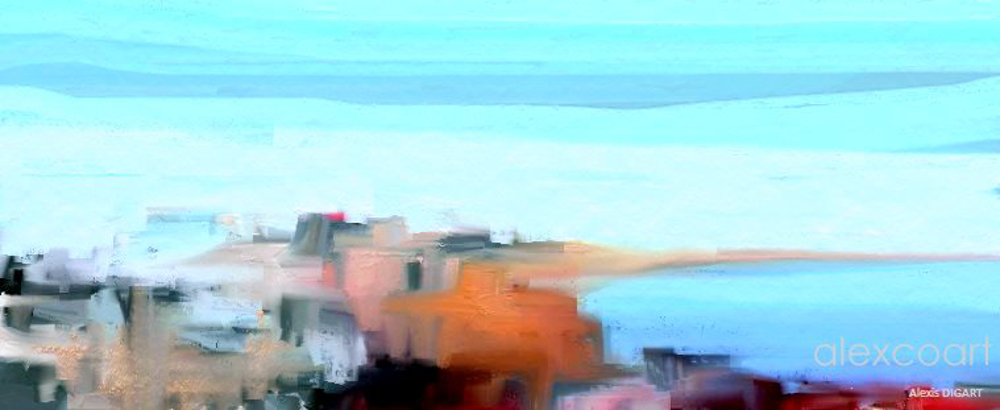
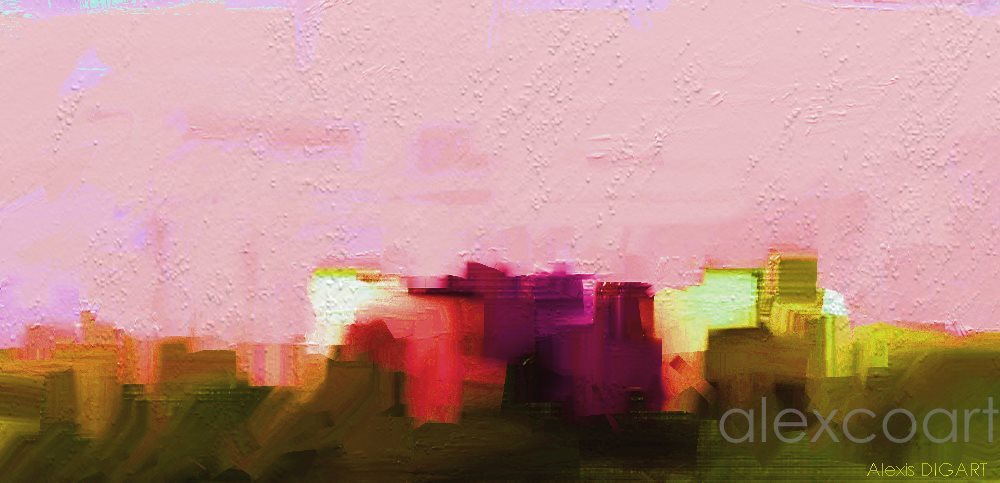
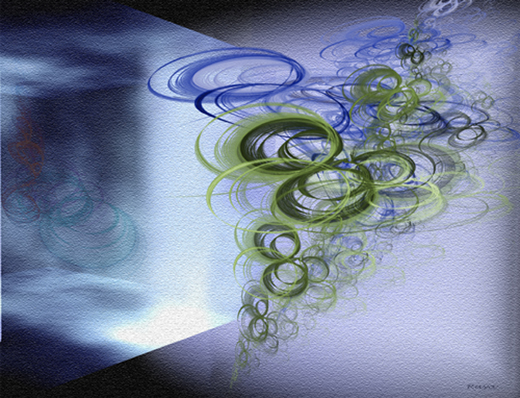
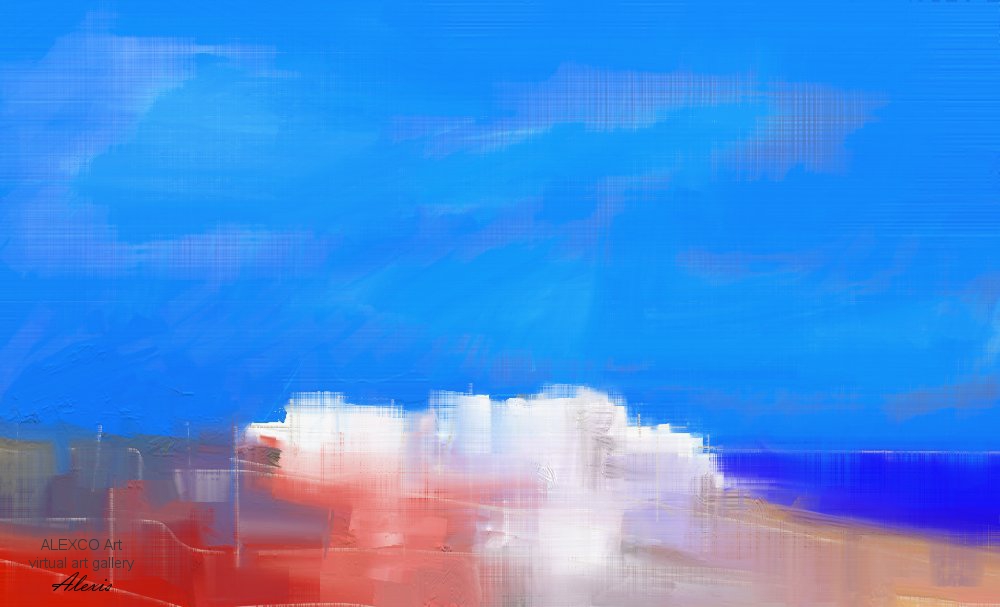
Alexis Digart was born in Piraeus, Greece and is now working and living in Paris, France. He originally moved to Paris to study Architecture, and after receiving his degree, moved onto different forms of the arts. Over the last few years, Digart has discovered using the computer and new technology to create and has been heavily involved in digital painting softwares and programs. All of his pieces are original and unique, not reproductions or photo manipulations. As he mostly draws from memory of beautiful places he has been to, he using the paintbrush of the mousepad to bring his paintings to life.
AL15 - e-scape (2015)
AL20b - e-scape (2015) 
AL34 - ABSTRACT LANDSCAPE (2015) 
AL39 - ABSTRACT LANDSCAPE (2015) 
AL41 - e-scape (2015)


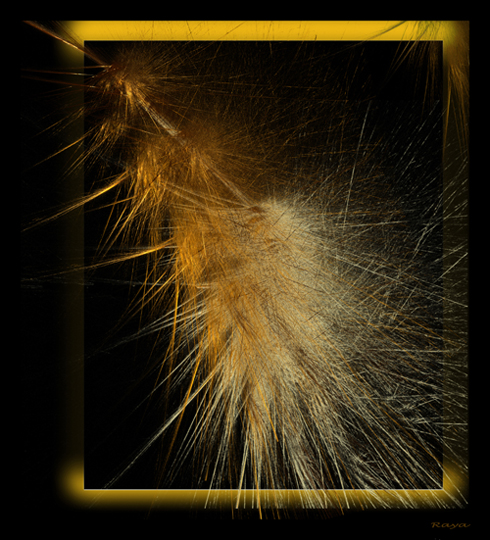
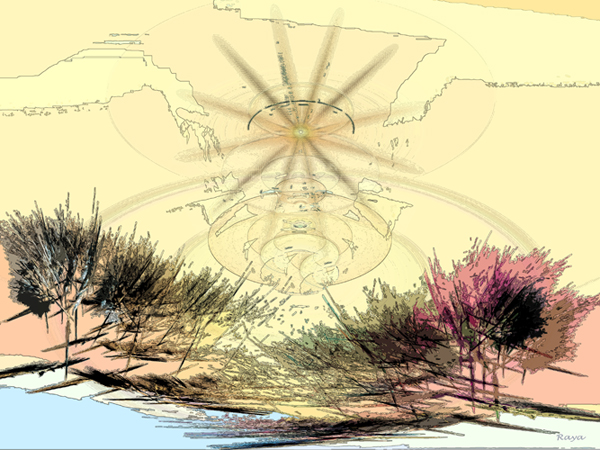
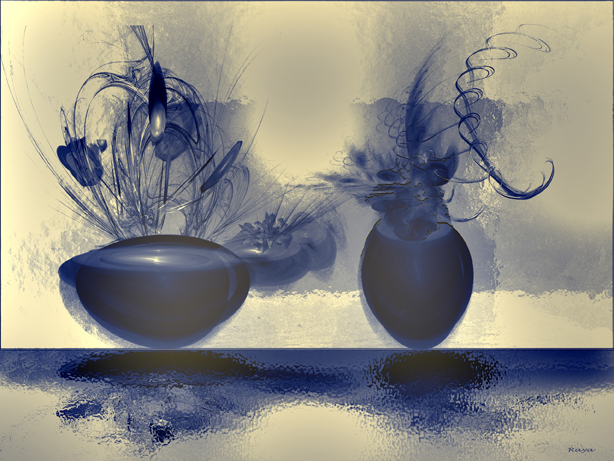
Raya Grinberg: A Virtual Fantasy

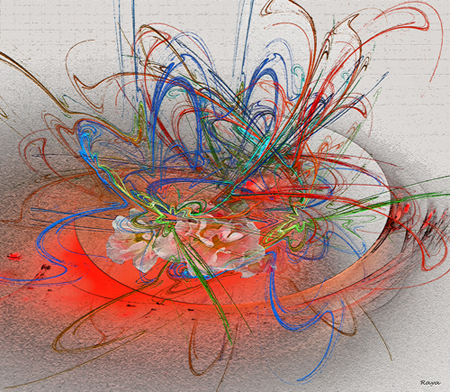
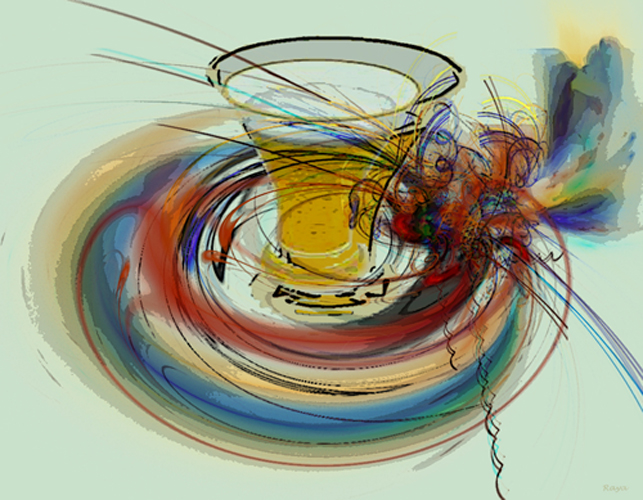
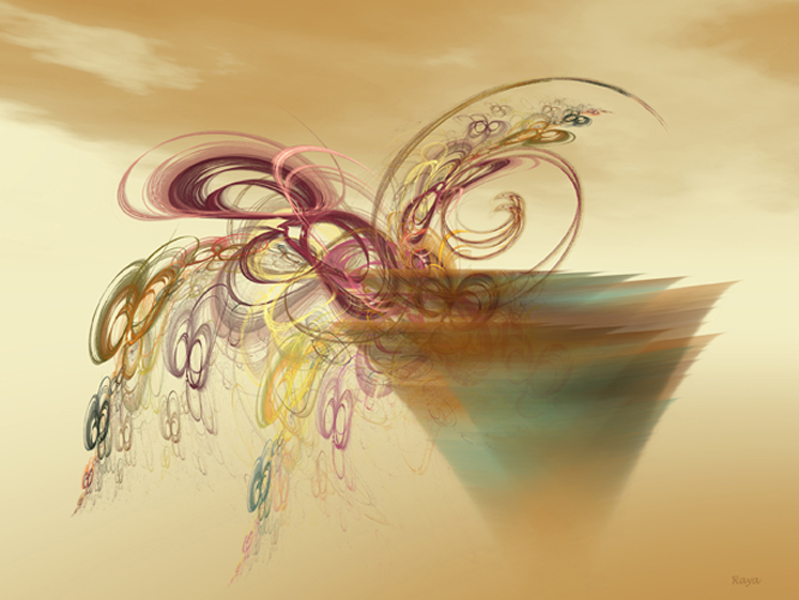
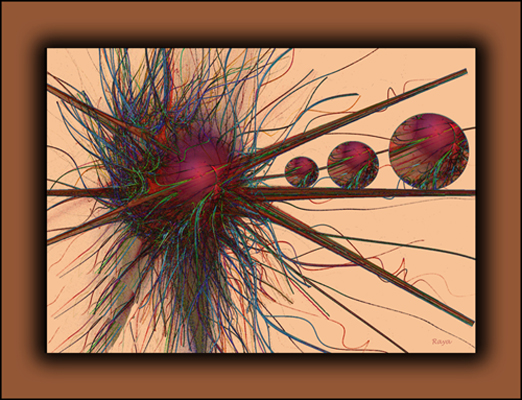
Raya Grinberg is a graphic and computer artist working and living in Israel. Her work involves landscape, nature, dreams, and her imagination using the computer to in different techniques. Her goal is to bring her viewers into a completely different world while looking at her work.
mo-Celebration ! (2015)
mo-Chain (2015)
mo-Cheers (2015)
mo-Flow (2015)
mo-Equilibrium (2015) 
mo-End of Summer (2015) 
mo-Desert Wind (2015)
mo-Duet (2015) 


Kingsley Ng - New Media Music


Matt Pearson: Generative Designer

Matt Pearson is an English artist from Brighton, United Kingdom. As the host of the website zenbullets.com, he works within the creative code, generative design and algorithmic art arena. It seems like Pearson is doing a lot of projects and experiments with sound generated 3D art as well as several more advancing generative technologies. He designed an array of different totems for the 2011 Perth Arts Festival in Australia in 2010, using generative technology, and even gave each the ability to move organically within the computer.

Check out this video promoting his work and what it did for the festival! 
And in this video you can see even more detail of each totem. 

He also experimented in 2012 with 3D printing using audio data to create pieces such as the ones below. 


Eric Paulos - Stealing Power

http://www.energyparasites.net/

Paulos' inventions tap into power sources and take away just enough power to charge a cell phone or other small device. He calls these parasites.

David Rokeby - Surveilance Art

http://www.davidrokeby.com/watch.html

quoted from website:
The video processes both present distortions of the perception of time. In one, the only things visible are things that are standing still. The effect is that of long-exposure photography, except that the image is truly live, changing subtly at every video frame. People that are moving are blurs or fogs across the image. People that are still are seen clearly.
The second process is the conceptual inverse of the first. People are only visible if they are in motion. They float as outlines of themselves in a dimensionless void, and disappear again as soon as they are still. The two images are projected with the first image beside the second, and with the second image flipped horizontally to mirror the first image.
When the images are in this state, they are mutually exclusive. A person cannot exist in both images at once. The relationship between the two images may in fact be difficult to discern.

In the 2008 version, the processes changed again. One one side, things that are moving are blurred and things that are still are in focus. On the other side, things that are still are blurred and things that are moving are in focus. The motion and stillness sides switch channels at regular intervals, causing a cross-fade in which moving things fade into the future and where fog of motion condenses into visibility.
Tuesday, April 7, 2015

Dev Harlan: GeomeTRIP


Dev Harlan is a native Californian, but working and living in New York. He is a self-taught artist and designer who works mainly with light, video, and sculpture. His large-scale works are often geometric, patterned and awash in colorful digital projection. "Harlan encourages the viewer to enter into a “liminal” mode of awareness with the deliberate use of polychromatic color palettes and geometric pattern. Light and surface however are precisely aligned, having a dimensional relationship which allows for the coalescence of a sensorial whole."

Parmenides I, 2011
Here is a link to Parmenides I, during Harlan's solo show "The Astral Flight Hangar," at the Christopher Henry Gallery.
Eon Surf, 2012
Here is a link to a video from Eon Surf while it was on exhibit at the Christopher Henry Gallery in 2013.